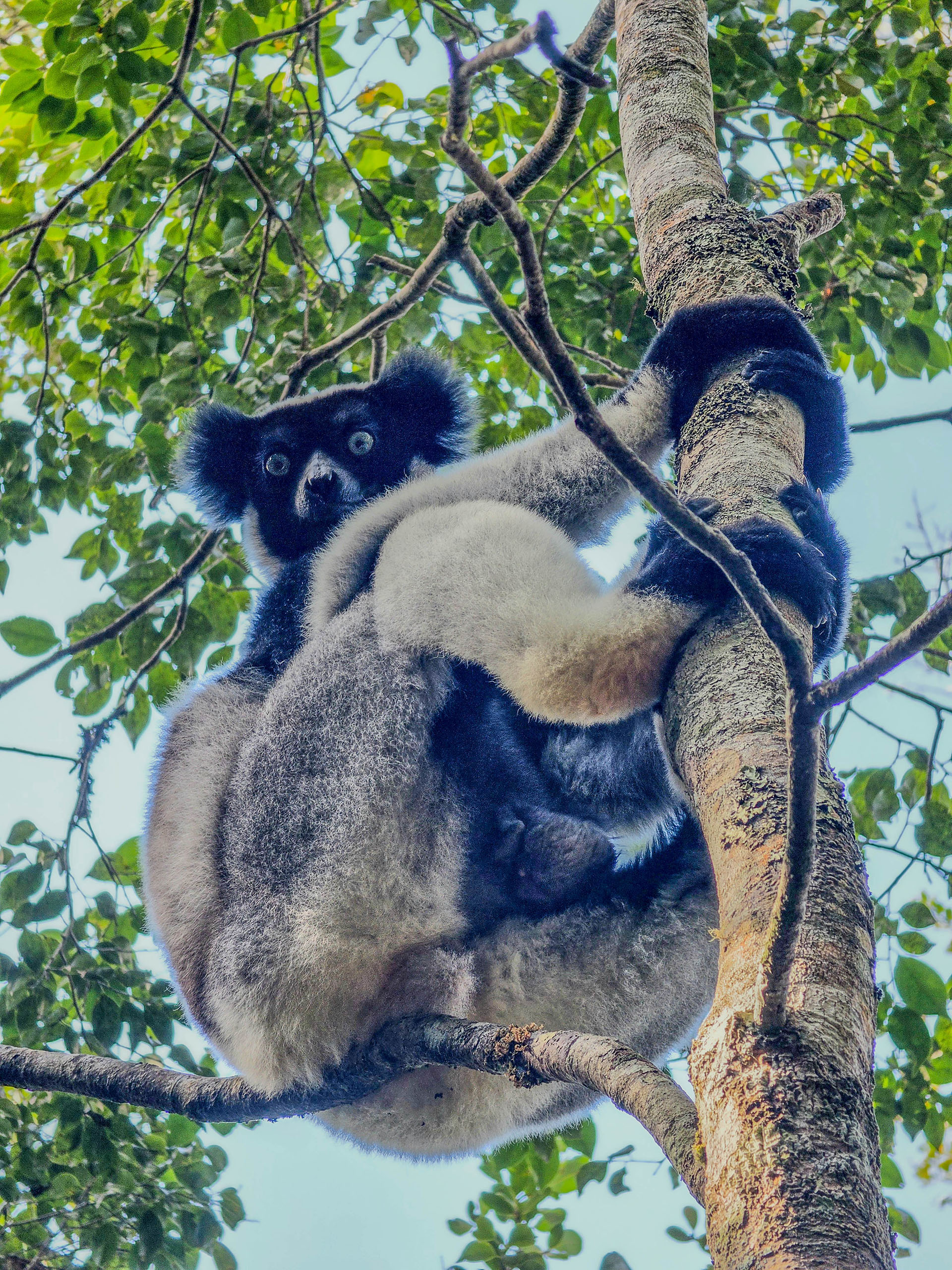
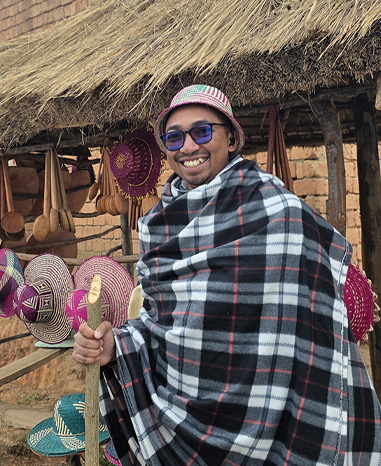
The first time you hear an indri, you think it must be an alarm, or a whale lost in the trees. The song starts low, climbs into a long wail, and other families answer from further away. It can carry for a couple of kilometres. Then you look up, and there it is: a black and white ball of fur clinging to a trunk, looking down at you as if you were the strange one.
Madagascar has dozens of forests worth walking in. If I had to pick two for a first trip, it would be Andasibe and Ranomafana. Both are rainforest, both are full of lemurs, and they feel completely different. Here is how I compare them when travellers ask me which one to choose.
Andasibe and Ranomafana at a glance
Walking in Andasibe
Mornings with the indri
Andasibe is the one to choose if you only have a few days and you want to see an indri without a long drive. The road is the RN2, which is busy and winding, so give yourself time. I like to sleep nearby and walk early, when the forest wakes up and the families start singing to each other.
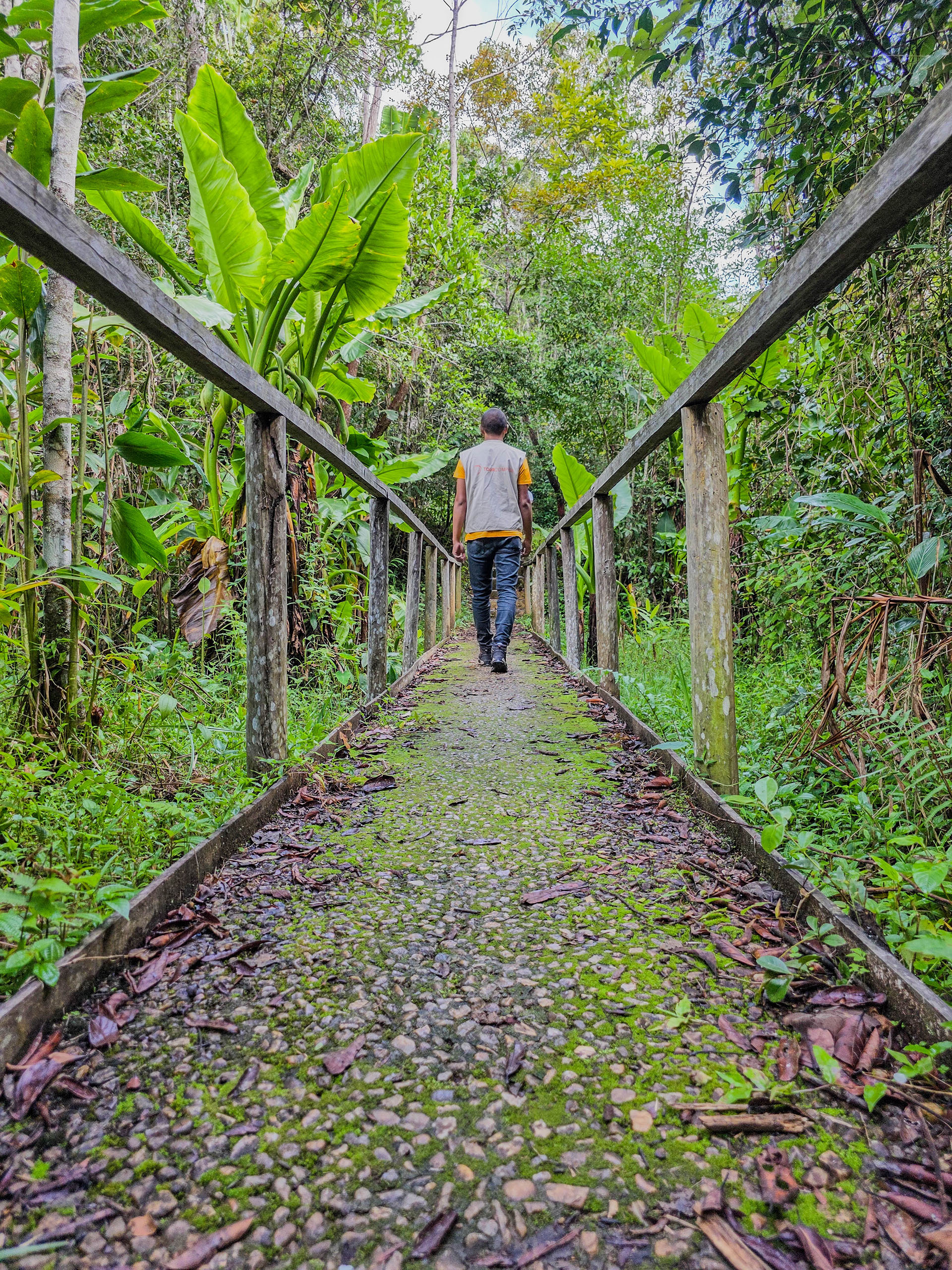
The trails are gentle, with stone steps and wooden walkways in places, and they are wide enough to walk side by side. This is one of those walkways. Photos never show how green it is. Your park guide finds the indri by listening and by knowing where each family likes to be. Then you stand underneath with your neck bent back, and you wait. Indri move slowly, so there is no rush.
The indri are not the only residents. Along the same trails you can meet brown lemurs, which are curious and a little cheeky, and a surprising number of birds and insects. Walking slowly and stopping often is how you find them. The ones who rush back to the car tend to see the least.
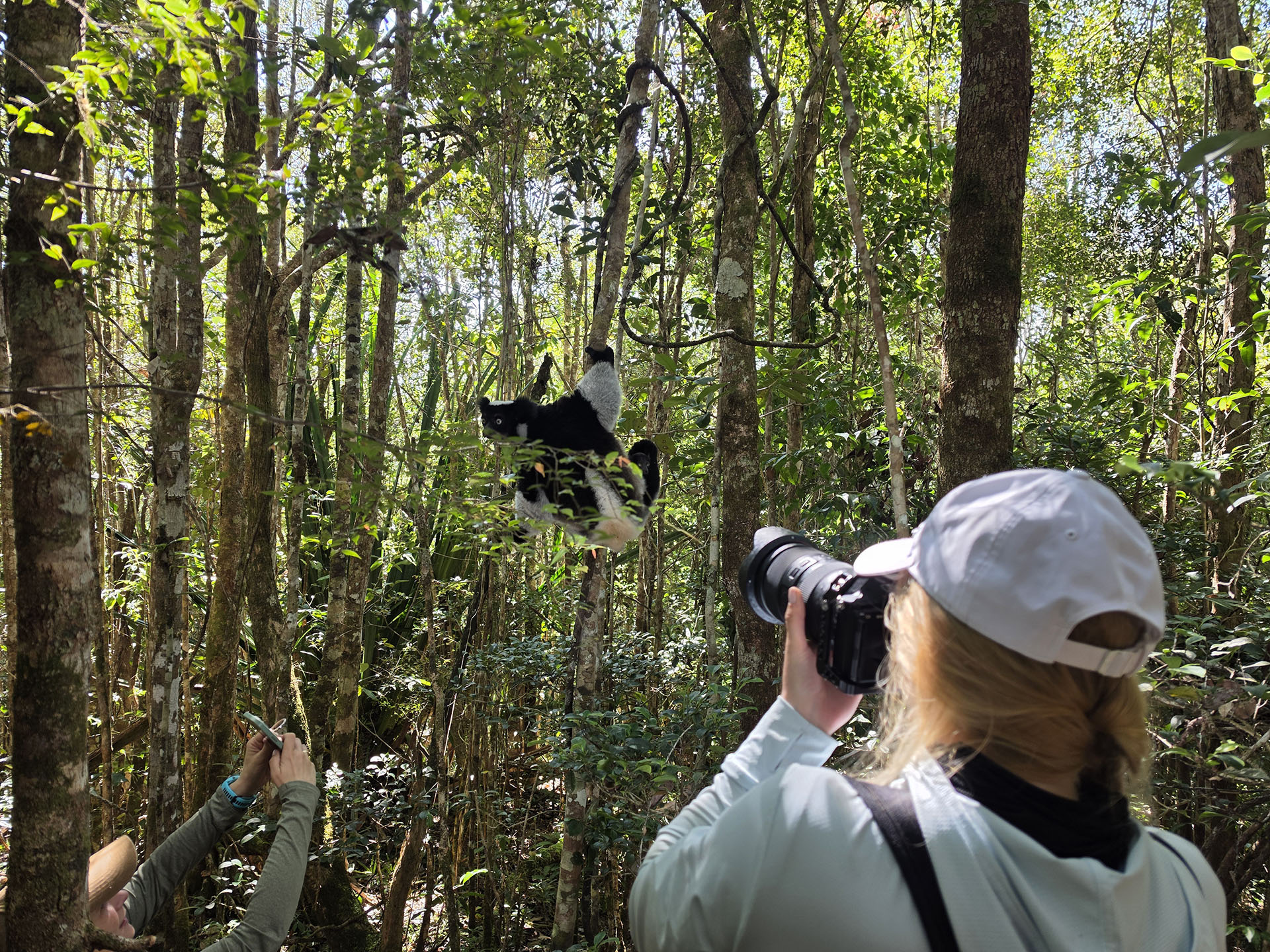
Patience pays off with a camera too. This visitor has just caught a black and white lemur in mid-leap between two trunks, which happens in a blink and is never twice the same. Keep your phone ready, stay quiet, and let the animals come to you.
The night walk
Most lodges and local reserves offer a night walk, and I recommend it. With a torch, you look for mouse lemurs, tiny frogs and chameleons asleep on branches, their colours faded for the night. Wear closed shoes. It only lasts an hour or two, and it feels like a different forest.If you have more time, Mantadia, the bigger park next door, is wilder and quieter. The track to get there is rough and the animals are harder to spot, so it is for people who like to hike.
Walking in Ranomafana
Ranomafana means "hot water" in Malagasy, and the village is named after the springs where you can soak your legs after a long walk. The forest here is deeper, wetter and steeper. You climb and descend on narrow paths, sometimes in mist, and the trees close in above you.
It is the place for bamboo lemurs. The golden bamboo lemur was only discovered here in the 1980s, which tells you how much forest there still is to explore. You also get plenty of birds, frogs and chameleons.
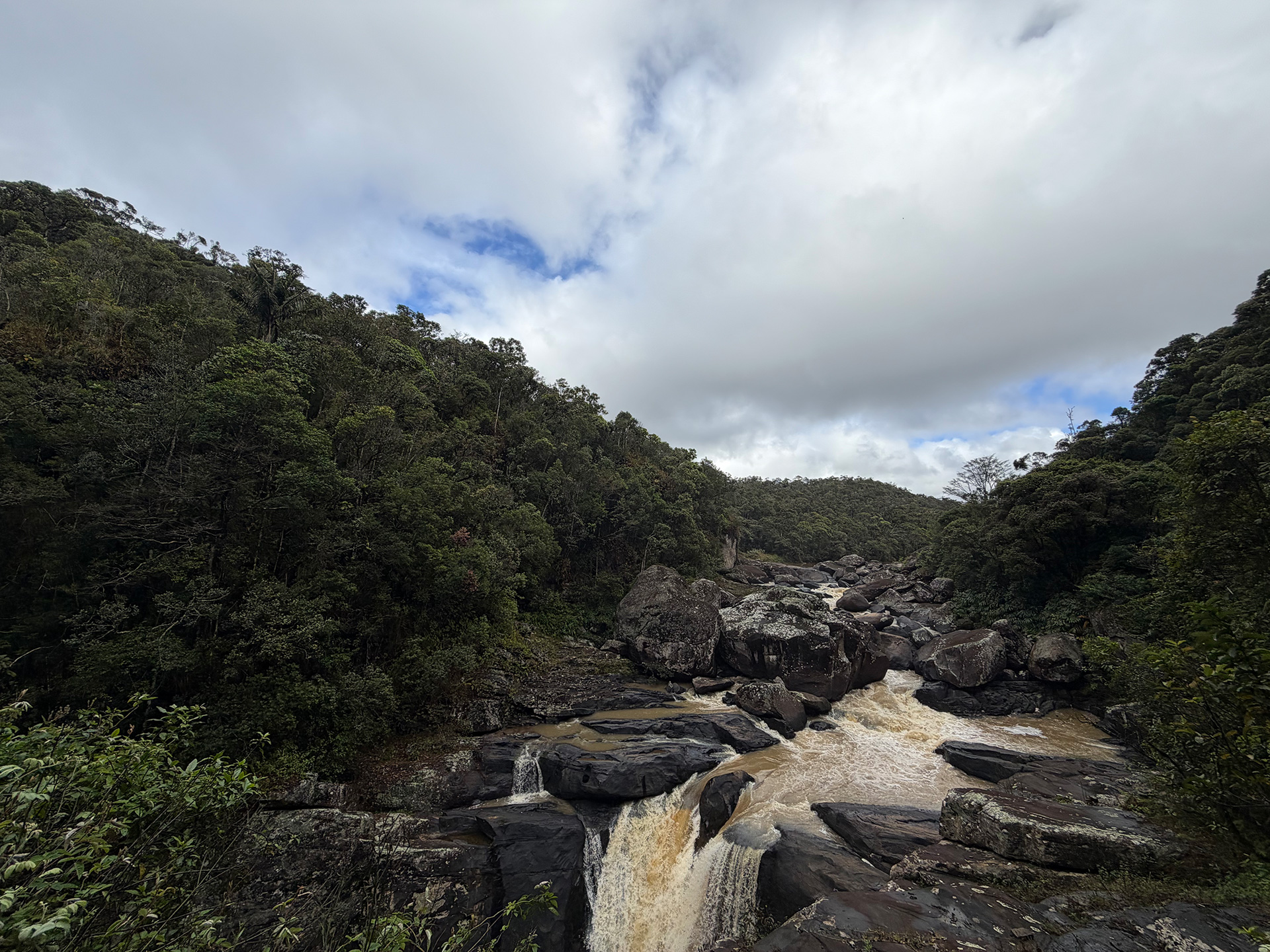
This is the river near Ranomafana, which I believe is the Namorona. You hear it long before you see it. Everything here is wet: the rocks, the leaves, the paths, and the air itself. Look up, too: the canopy is so thick that the rain takes a while to reach you, and then it comes all at once.
Ranomafana is far from the capital, so I rarely recommend it as a stand-alone trip. It fits better in a longer road trip that goes south along the RN7. If you are heading to Isalo anyway, it is a very good detour, and I would add two nights to enjoy it properly.
Why walk with a guide
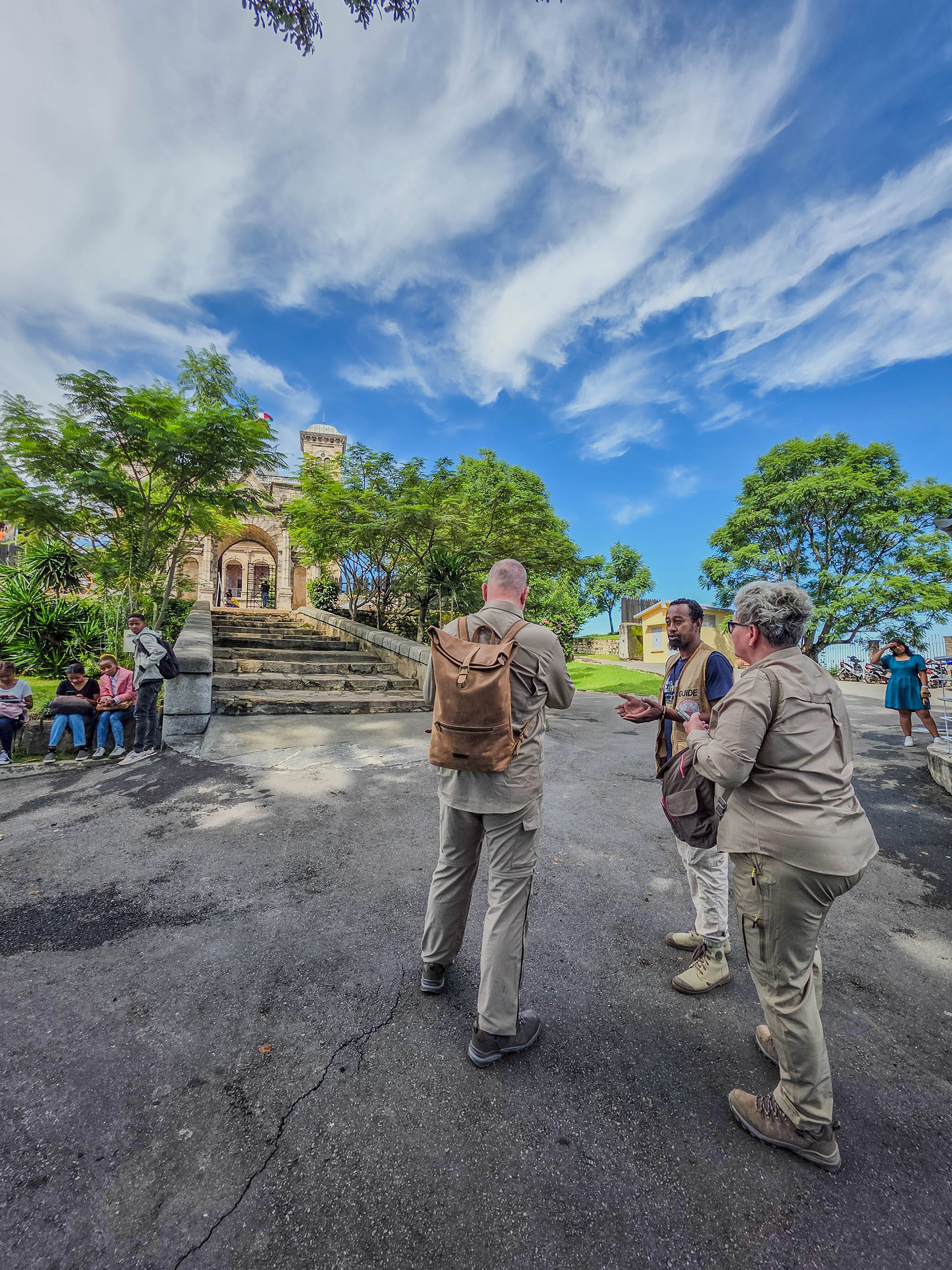
In both parks you walk with a local park guide. That is the rule, and it is a good one. They have followed the same lemur families for years, they can spot a chameleon that looks exactly like a leaf, and they know when to wait and when to move. My part is the rest: getting you there at the right hour, making sure you are packed for the weather, and answering the questions that come back in the car.
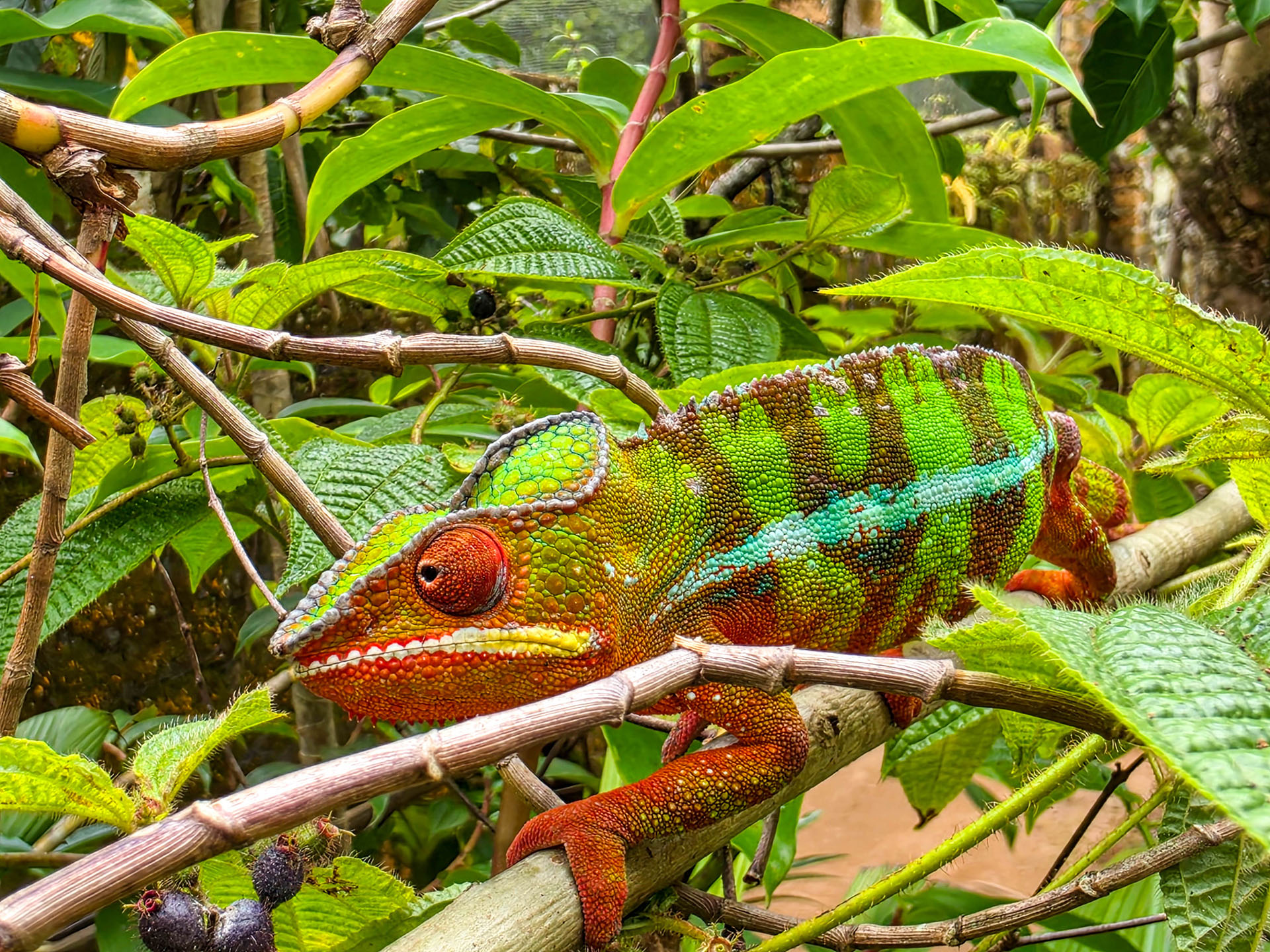
Without a trained eye, you would have walked straight past this one. Chameleons are masters at being invisible, until they decide not to be.
How long to stay
For Andasibe, one night is the minimum, so that you can do an early walk and the night walk. Two nights are more relaxed, and let you add Mantadia or a second morning with the indri. For Ranomafana, I would plan two nights, because the drive is long and the walks are tiring. That is the rhythm I follow with most travellers.
What to wear and bring
When to go
The lemurs are there all year. The cooler months, roughly May to October, are the most comfortable for walking, but pack a rain jacket whatever the month, especially for Ranomafana. Mornings are the best time, because the animals are most active and the light under the trees is softer.
So which one should you choose?
If you have two or three days around Antananarivo, choose Andasibe. If you are already on the road south, give Ranomafana a night. If you have time for both, do both, because they complement each other. And if you can only do one thing, go and listen to the indri.
Andasibe or Ranomafana, which one is better?
Neither is better, they are just different. Andasibe is closer and easier, and it is where you will find the indri. Ranomafana is wetter, steeper and further away, and it is great for bamboo lemurs and for walkers who like a challenge.
Can I visit Andasibe as a day trip from Antananarivo?
It is possible, but it makes for a very long day on a busy road. I recommend sleeping over, so that you can walk early and do the night walk.
Will I definitely see an indri?
At Andasibe the chances are very good, but wild animals decide for themselves. That is why I never rush a walk.
Planning a trip that includes the forest? Tell me your dates and I will help you decide where to spend your nights. You can read about the long road south in On the road to Isalo, or have a look at my guiding services.